Strategy Comps Resources
Articles |
|
|
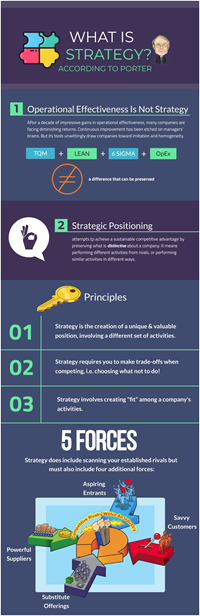
"The Five Competitive Forces that Shape Strategy" by Michael E. Porter "What is Strategy?" by Michael E. Porter "What is Strategy, Again?" by Andrea Ovans "Clusters and the New Economics of Competition" by Michael E. Porter "Blue Ocean Strategy" by W. Chan Kim and Renee Mauborgne "Do You Really Have a Global Strategy?" by Gary Hamel and C.K. Prahalad "Analyzing Foreign Market Entry Strategies: Extending the Internalization Approach" by Peter J. Buckley and Mark Casson "The internalization theory of the multinational enterprise: A review of the progress of a research agenda after 30 years by Peter J. Buckley and Mark Casson "Reinventing Your Business Model" by Mark W. Johnson, Clayton M. Christensen, and Henning Kagermann Complete Reading List (not all titles posted above!) |
Infographics

|
    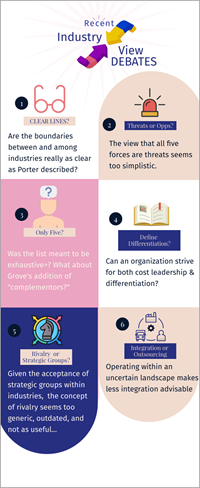 |
Apps

|
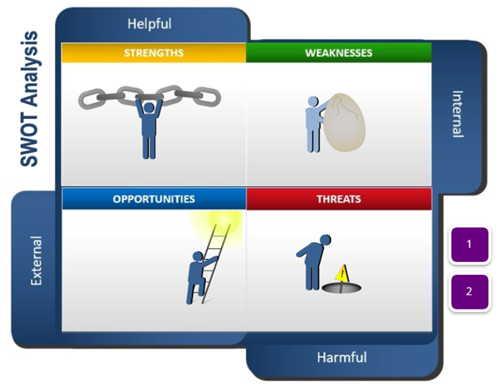 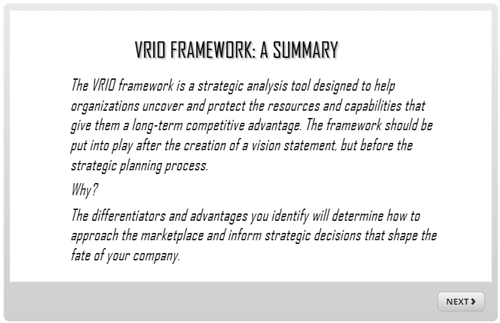 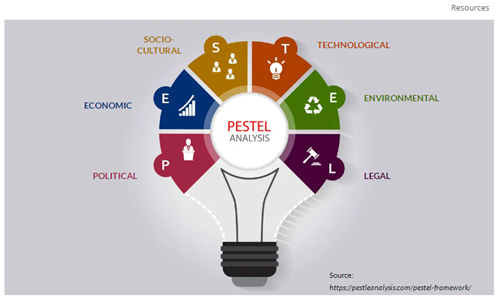  |
Sample Question

|
In 1999, an entrepreneur called Zhang Gang founded Little Sheep Catering Chain Co. in Inner Mongolia, one of the most remote and underdeveloped corners of the world. Zhang managed to open two additional restaurants within two months, with a very enthusiastic customer response. Notwithstanding this success, To prepare for an initial public offering (IPO), he believed that the company needed to attract not only additional capital, but also a partner with the capability to provide much-needed industry knowledge and expertise. Little Sheep’s extraordinary growth and brand name recognition attracted many willing investors, including such prestigious investment banks as Morgan Stanley and Goldman Sachs. Private-equity firm 3i noted Little Sheep’s success and approached the company. 3i demonstrated its industry expertise and the benefits it could offer Little Sheep, subsequently beating rivals Morgan Stanley and Goldman Sachs.
Given the information offered, please answer the following three questions. QUESTIONS:
|